ortho-glass splinting manual pdf
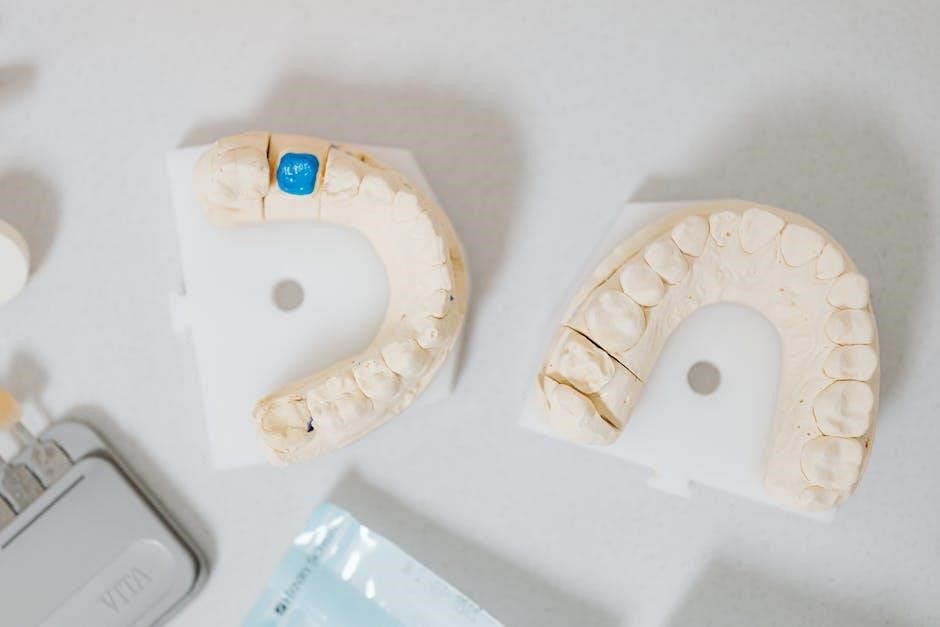
Ortho-Glass Splinting: A Comprehensive Guide
Detailed manuals, like the Delta-Cast Splinting Application Manual for ORTHO-GLASS, offer crucial guidance.
University resources, such as UC Berkeley’s splinting information,
and downloadable care sheets (dated 5/7/2015) provide essential support for effective application and patient care.
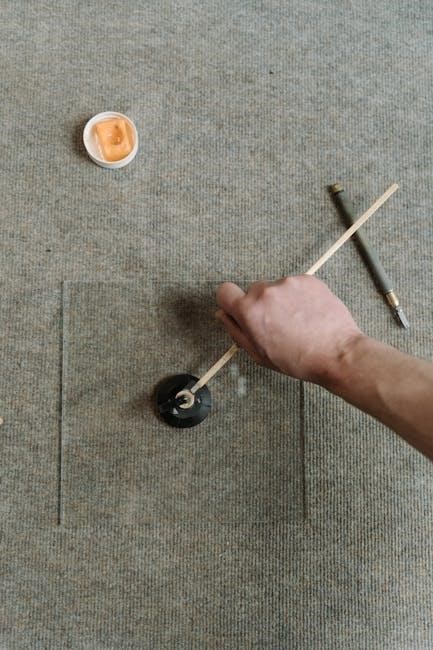
Ortho-Glass splints represent a significant advancement in immobilization technology, frequently serving as a viable alternative to traditional plaster casts. These splints, detailed in application manuals like the Delta-Cast Splinting Application Manual for ORTHO-GLASS, offer a lightweight and breathable solution for a diverse range of orthopedic injuries. Understanding their application requires access to comprehensive resources, including readily available PDF guides and university-provided information.
The University of California, Berkeley, for instance, provides valuable splinting information, complementing manufacturer’s guides. Documents like the Orthoglass Splint Care Sheet (dated May 7, 2015) emphasize proper care post-application, crucial for optimal healing. These resources detail the benefits, proper techniques, and potential complications associated with Ortho-Glass splints, ensuring clinicians and patients alike are well-informed. Accessing these manuals is paramount for successful implementation and patient outcomes.
What is an Ortho-Glass Splint?
An Ortho-Glass splint is a lightweight, fiberglass-based immobilization device used to support and protect injured limbs. Unlike traditional plaster casts, Ortho-Glass splints are breathable, water-resistant, and offer superior comfort. Detailed application techniques are outlined in manuals such as the Delta-Cast Splinting Application Manual for ORTHO-GLASS, emphasizing proper layering and molding for optimal support.
These splints often take the place of a cast, as highlighted in the University of California, Berkeley’s resources and the Orthoglass Splint Care Sheet (dated 5/7/2015). The PDF guides explain the splint’s composition – typically a fiberglass or glass fiber impregnated with a resin – and its ability to conform to the body’s contours. Understanding the material properties, as detailed in these manuals, is key to effective application and patient management.
Benefits of Ortho-Glass Splints Compared to Traditional Casts
Ortho-Glass splints offer significant advantages over traditional plaster casts, primarily due to their material composition and design. Manuals like the Delta-Cast Splinting Application Manual emphasize the lightweight nature of Ortho-Glass, improving patient comfort and mobility. Unlike heavy plaster casts, these splints are breathable, reducing skin irritation and odor.
Furthermore, Ortho-Glass is water-resistant, allowing limited exposure to moisture without compromising integrity – a key benefit detailed in the UC Berkeley resources and the 5/7/2015 care sheet. The splints’ ability to be molded precisely to the limb, as described in application guides, provides superior support. They also allow for swelling, unlike rigid casts, reducing the risk of compartment syndrome. These benefits contribute to faster healing and improved patient outcomes.

Application of Ortho-Glass Splints
Proper application requires careful adherence to manuals like Delta-Cast’s, ensuring correct limb preparation and material molding for optimal support and healing;
Indications for Ortho-Glass Splint Use
Ortho-Glass splints serve as effective alternatives to traditional casts for a diverse range of injuries, offering a lightweight and breathable solution to promote healing. Manuals, such as those from Delta-Cast, detail their suitability for stable fractures—where bone alignment is maintained—sprains, and soft tissue injuries.
These splints are particularly beneficial when initial swelling is anticipated, as their non-constricting nature accommodates fluctuations in limb size. They are frequently employed for wrist and hand injuries, finger fractures, and certain ankle sprains. The University of California, Berkeley’s resources emphasize their use in cases requiring limited immobilization, allowing for continued function while protecting the injured area.
Furthermore, Ortho-Glass splints are indicated for post-operative support following procedures like tendon repairs, providing controlled immobilization during the critical recovery phase. Care sheets highlight their adaptability to various injury presentations, making them a versatile option in orthopedic care.
Contraindications for Ortho-Glass Splint Use
While versatile, Ortho-Glass splints aren’t suitable for all injuries. Manuals, including the Delta-Cast application guide, clearly state that unstable fractures—those with significant displacement or comminution—require rigid immobilization best achieved with casts or surgical intervention.
Open fractures, where bone protrudes through the skin, are also a contraindication due to the risk of infection and the need for surgical debridement. Severe soft tissue injuries with extensive swelling or blistering may not be adequately supported by a splint’s flexible structure.
Furthermore, patients with compromised skin integrity, such as those with deep wounds or burns, should not receive Ortho-Glass splints. UC Berkeley resources emphasize avoiding their use in cases of neurovascular compromise, requiring immediate medical attention. Careful assessment is crucial to determine appropriate immobilization methods.
Materials Required for Ortho-Glass Splinting
Successful Ortho-Glass splinting demands specific supplies. The Delta-Cast Splinting Application Manual details the necessity of Ortho-Glass casting tape itself, available in varying widths. Stockinette, applied directly to the skin, provides a protective layer and facilitates removal.
Underpadding, such as Webril or cast padding, cushions bony prominences and enhances comfort. Shears are essential for precise stockinette and padding trimming. Gloves maintain sterility, while a bucket of water is needed to activate the Ortho-Glass material.
Additionally, a spray bottle aids in controlled water application, and plastic wrap can help shape and smooth the splint. Documentation tools, like a pen and patient chart, are vital for recording details. Referencing resources like UC Berkeley’s guides ensures a complete materials checklist.

Step-by-Step Splinting Procedure
The Delta-Cast manual guides limb preparation, Ortho-Glass application, and meticulous molding. Proper technique, detailed in available resources, ensures optimal immobilization and patient comfort.
Preparation of the Limb
Prior to applying the Ortho-Glass splint, meticulous limb preparation is paramount for optimal results and patient comfort. The Delta-Cast Splinting Application Manual emphasizes a thorough assessment of the injured area, noting any open wounds, neurovascular compromise, or skin integrity concerns.
Gentle cleaning of the skin with mild soap and water is recommended, followed by complete drying to ensure proper adhesion of the splinting material. Any existing dressings should be left intact unless otherwise directed by a physician. Padding, such as cotton or felt, should be strategically applied to bony prominences – like the ulnar styloid or medial malleolus – to prevent pressure sores and enhance patient comfort.
It’s crucial to ensure the limb is positioned in the optimal functional position, as this will be maintained throughout the splinting process and during healing. The manual stresses the importance of documenting the pre-splinting neurovascular status, including distal pulses, capillary refill, and sensation, as a baseline for post-application monitoring.
Applying the Ortho-Glass Material
The Delta-Cast Splinting Application Manual details a specific technique for applying Ortho-Glass, prioritizing smooth and even coverage. Begin by activating the material with water, ensuring complete saturation without excessive soaking – this is crucial for optimal moldability.
Typically, 4-6 layers of Ortho-Glass are applied, overlapping each layer by approximately 50% to provide sufficient strength and stability. The initial layers should conform closely to the limb’s contours, while subsequent layers build upon this foundation. Gentle, consistent pressure should be used during application to eliminate air bubbles and ensure intimate contact with the skin and padding.
Carefully avoid creating wrinkles or creases in the material, as these can lead to pressure points and skin irritation. The manual highlights the importance of extending the splint beyond the injury site to adequately immobilize the affected area and prevent movement.
Molding and Shaping the Splint
The Delta-Cast manual emphasizes immediate molding while the Ortho-Glass remains pliable. Utilize gloved hands or specialized tools to gently shape the splint, conforming it precisely to the limb’s anatomy and desired position. Pay close attention to bony prominences, ensuring adequate padding and relief to prevent pressure sores.
Maintain the correct anatomical alignment and support the injured area throughout the molding process. The material will begin to harden within minutes, so efficient and deliberate shaping is essential. Avoid excessive force, which can compromise the splint’s integrity.
The manual suggests checking for proper contour and support, verifying that the splint effectively immobilizes the injury while allowing for appropriate circulation. Smooth edges and a comfortable fit are paramount for patient compliance and optimal healing.
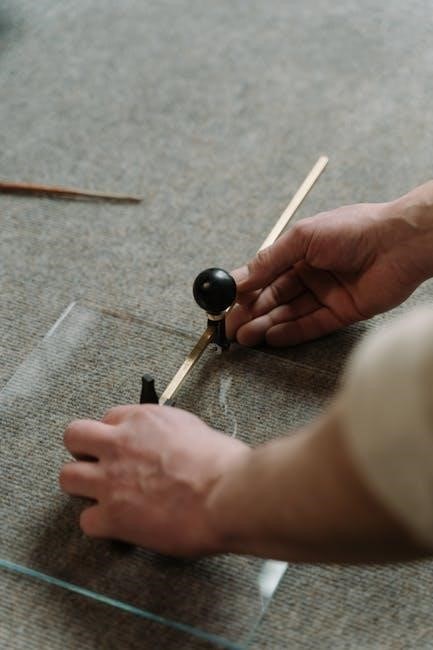
Post-Application Care and Monitoring
Care sheets (dated 5/7/2015) detail crucial instructions for splint maintenance. Monitor for complications, and attend follow-up appointments for proper evaluation and removal.
Ortho-Glass Splint Care Instructions
Maintaining the integrity of your Ortho-Glass splint is paramount for optimal healing. Refer to the provided care sheet, dated May 7, 2015, from the University of California, Berkeley, for detailed guidance. Keep the splint clean and dry; avoid submerging it in water. Protect it from direct impact or excessive pressure.
Regularly inspect the splint for cracks, fraying, or any signs of damage. If you notice any issues, contact your healthcare provider immediately. Do not attempt to modify or repair the splint yourself. Elevate the limb as instructed to minimize swelling. Follow weight-bearing restrictions as prescribed by your physician.
Be mindful of skin care around the splint edges, ensuring no pressure sores develop. Report any numbness, tingling, increased pain, or changes in skin color to your doctor promptly. Proper care ensures effective immobilization and promotes a successful recovery.
Signs of Complications and When to Seek Medical Attention
Promptly address any concerning symptoms while wearing your Ortho-Glass splint. Immediate medical attention is crucial if you experience increasing pain not relieved by prescribed medication, significant swelling beyond the splint’s borders, or numbness and tingling in the affected limb.
Changes in skin color – such as paleness or blueness – warrant immediate evaluation, as they may indicate compromised circulation. Report any foul odor emanating from the splint, which could signal an infection.
If the splint becomes cracked, broken, or excessively loose, seek medical advice. Do not attempt self-repair. Fever, chills, or any signs of systemic illness accompanying local symptoms require urgent medical assessment. Refer to the University of California, Berkeley care sheet for further guidance.
Follow-up Appointments and Splint Removal
Consistent follow-up appointments are vital to monitor healing progress with your Ortho-Glass splint. Your healthcare provider will assess the injury’s status, potentially ordering X-rays to evaluate bone healing. These appointments allow for adjustments to the splint if needed, ensuring optimal support and comfort throughout the recovery period.
Splint removal should only be performed by a qualified medical professional. Attempting self-removal risks re-injury or complications. The timing of removal depends on the nature and severity of the initial injury, as determined by your doctor.
Post-removal, expect some stiffness and potential muscle weakness; a rehabilitation program may be prescribed. Refer to resources like the UC Berkeley splinting information and the Delta-Cast manual for expected recovery timelines.
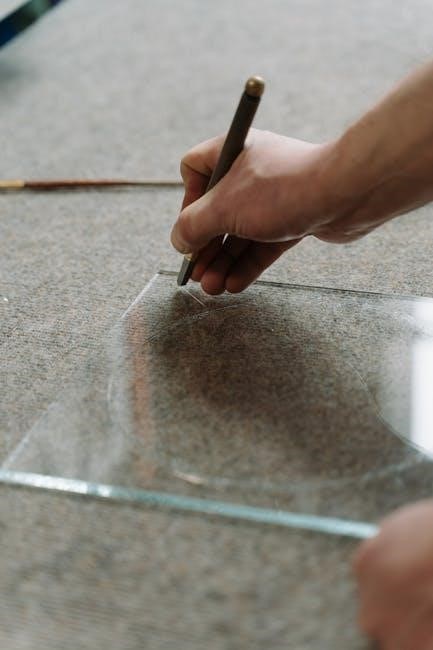
Troubleshooting and Advanced Techniques

Delta-Cast manuals detail addressing common application issues. Modifications for specific injuries are often found within comprehensive guides, alongside advanced techniques for optimal splinting.
Addressing Common Issues During Application
Successfully navigating Ortho-Glass splinting requires anticipating and resolving potential challenges. The Delta-Cast Splinting Application Manual provides valuable insights into frequently encountered problems during the application process. These can range from difficulties achieving proper material activation and molding to ensuring adequate limb support and preventing skin irritation.
Common issues include inconsistent material saturation, leading to weak spots or uneven pressure distribution. The manual emphasizes the importance of thorough material wetting and careful layering techniques to mitigate this. Another frequent concern is achieving a secure, yet comfortable, fit, particularly around bony prominences. Proper padding and careful molding are crucial to avoid pressure sores.
Furthermore, the manual addresses troubleshooting techniques for situations where the splint doesn’t conform adequately to the limb’s contours. This often involves re-wetting the material and reapplying pressure. Resources like UC Berkeley’s splinting information can supplement these techniques, offering alternative approaches and best practices for optimal outcomes.
Modifications for Specific Injuries
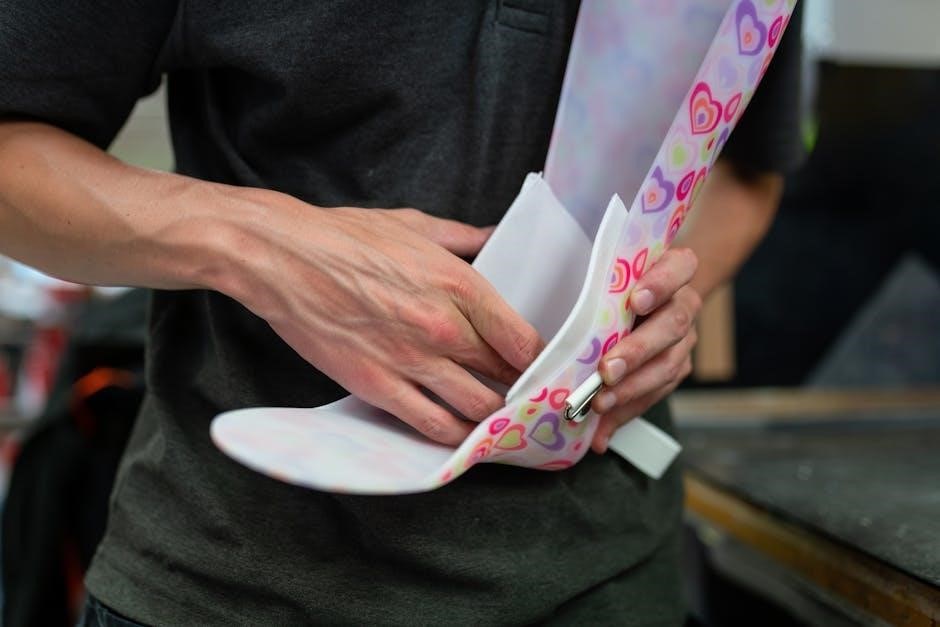
Ortho-Glass splinting isn’t a one-size-fits-all solution; adaptation is key for diverse injuries. The Delta-Cast Splinting Application Manual highlights necessary modifications based on fracture type, location, and soft tissue damage. For instance, distal radius fractures often require ulnar deviation and pronation, necessitating careful molding of the splint to maintain this position.
Scaphoid fractures demand thumb spica immobilization, demanding extended splint coverage and precise thumb positioning. The manual details techniques for achieving this securely and comfortably. Similarly, ankle sprains may benefit from variations in splint length and padding to provide optimal support and limit range of motion.
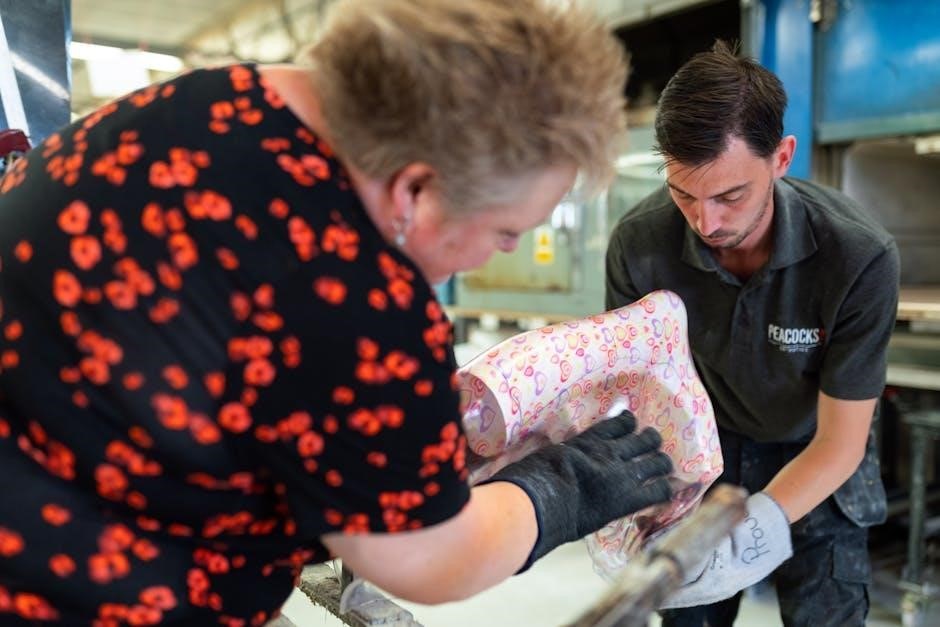
Resources like UC Berkeley’s splinting information complement the manual, offering detailed guidance on customizing splints for specific pediatric and adult injuries. Understanding biomechanical principles and injury-specific protocols, as outlined in these resources, is crucial for effective immobilization and promoting healing.
Resources and Further Information
Access Delta-Cast manuals and UC Berkeley’s splinting guides for comprehensive details. Downloadable Ortho-Glass care sheets (5/7/2015) supplement practical application knowledge effectively.
Relevant PDF Manuals and Guides

Numerous PDF resources are available to enhance proficiency in Ortho-Glass splinting techniques. The Delta-Cast Splinting Application Manual for ORTHO-GLASS provides a detailed, step-by-step approach to proper application, covering material preparation, molding procedures, and troubleshooting common issues.
Furthermore, institutions like the University of California, Berkeley, offer valuable splinting information, often accessible online. A specific Ortho-Glass Splint Care Sheet, dated May 7, 2015, is available for download and outlines essential post-application care instructions for patients, ensuring optimal healing and minimizing complications. These guides frequently address indications and contraindications for use, assisting clinicians in making informed decisions.
Searching online for “Ortho-Glass splinting manual PDF” will yield additional resources, though verifying the source and date of publication is crucial to ensure accuracy and adherence to current best practices. Always prioritize materials from reputable medical institutions or manufacturers.
University Resources (e.g., UC Berkeley Splinting Information)
Academic institutions frequently provide comprehensive splinting resources, supplementing manufacturer guidelines. The University of California, Berkeley, located at 2222 Bancroft Way, Berkeley, CA 94720, is noted as a source of splinting information, though specific publicly available PDF manuals weren’t directly linked in the provided text. However, university medical centers and affiliated hospitals often develop internal protocols and training materials for Ortho-Glass application.
These resources typically cover biomechanical principles, proper limb alignment, and detailed molding techniques. While a direct link to a Berkeley Ortho-Glass manual isn’t present, searching university hospital websites or contacting their orthopedics departments may reveal valuable guides. Remember to cross-reference university information with official manufacturer documentation, like the Delta-Cast manual, for a complete understanding.
Leave a Reply
You must be logged in to post a comment.